
Abhishek slaps 10-crore defamation notice on Madan Mitra over 'murderer' jibe
.gif)

Download Mobile App 






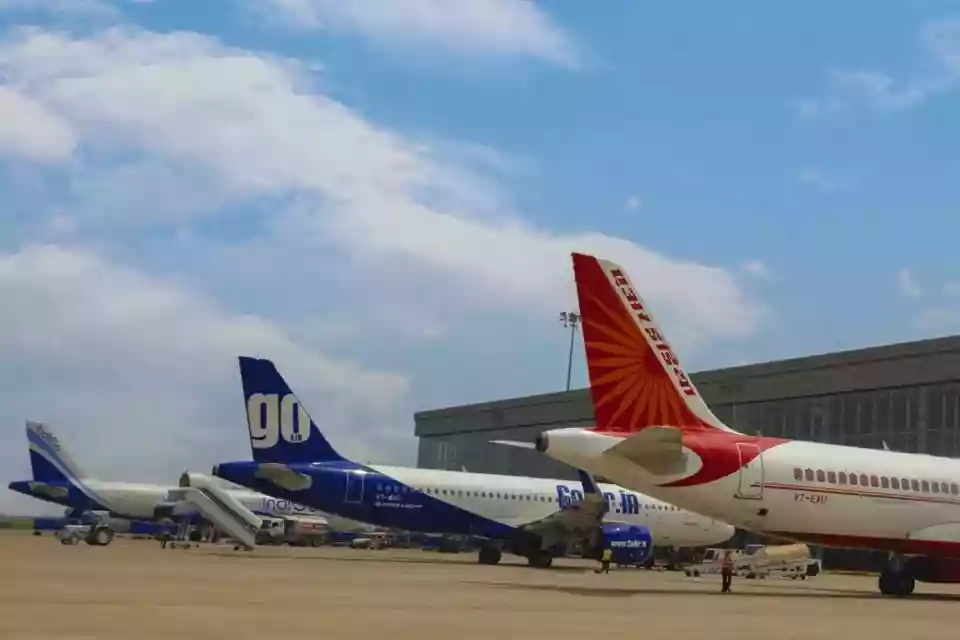
Air India has been forced to significantly overhaul its international flight operations following the sudden and unexplained closure of Iranian airspace on Thursday, January 15. The airline issued an urgent travel advisory as the Tehran Flight Information Region (FIR) was shut to most commercial traffic. This disruption comes at a time when regional tensions have reached a boiling point, fueled by nationwide anti-government protests within Iran and escalating military rhetoric between Tehran and Washington.
The closure has forced Air India and other major carriers like IndiGo and Lufthansa to divert long-haul flights bound for Europe and North America through much longer air corridors. While passenger safety remains the topmost priority, these alternative routes are leading to substantial increases in flight duration and fuel consumption. In several instances where rerouting was not technically feasible due to fuel constraints or aircraft range, the airline has had to cancel services entirely, leaving hundreds of travelers stranded.
Western intelligence agencies have warned of an "unacceptable risk" to civil aviation, citing heightened activity in Iranian air defense systems and the potential for missile launches. Memory of the 2020 downing of a Ukrainian passenger jet remains a grim reminder of the risks of "misidentification" during regional conflicts. Consequently, the Ministry of External Affairs (MEA) has reinforced its travel advisory, strongly urging Indian nationals to avoid non-essential travel to Iran and advising those currently in the country to consider leaving via any available commercial means.
Air India is actively using social media platforms to keep passengers informed, requesting them to check their flight status online before heading to the airport. The airline expressed deep regret for the inconvenience but reiterated that it would not compromise on safety standards during this volatile period. As the situation in the Middle East remains fluid, aviation experts suggest that flight paths over West Asia may remain disrupted for the foreseeable future, impacting global travel schedules well into the coming weeks.










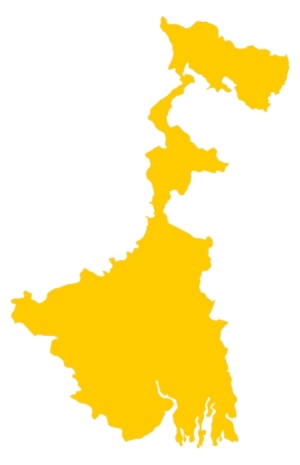 West Bengal
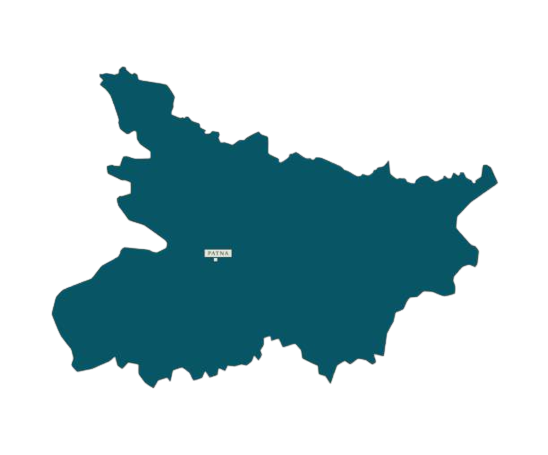 Bihar
Bihar Uttar Pradesh
 Jharkhand